
29 products were found
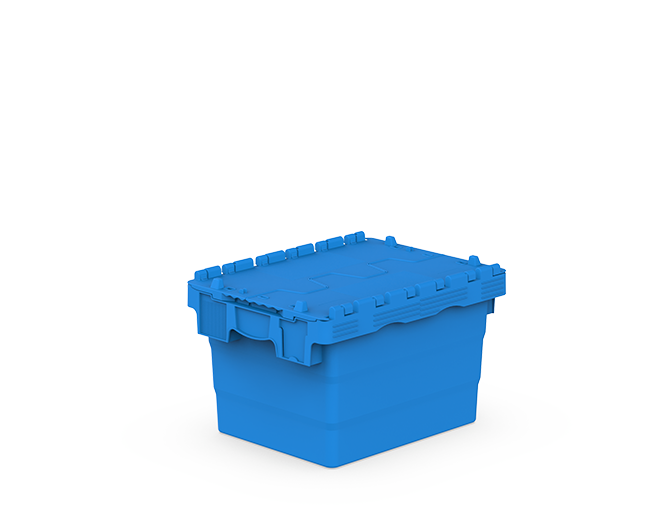
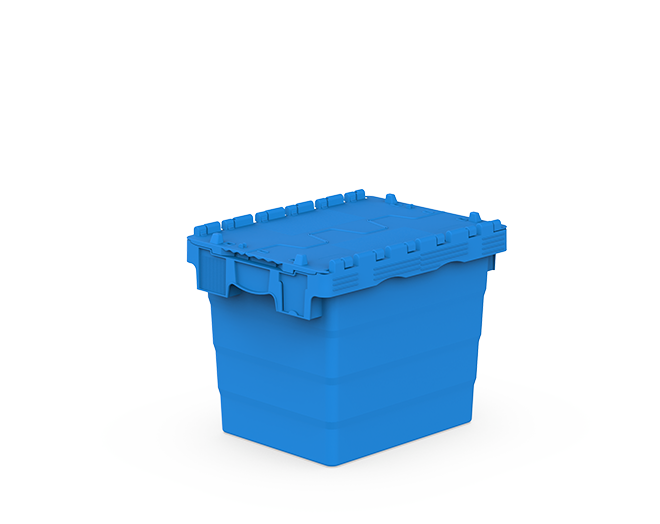
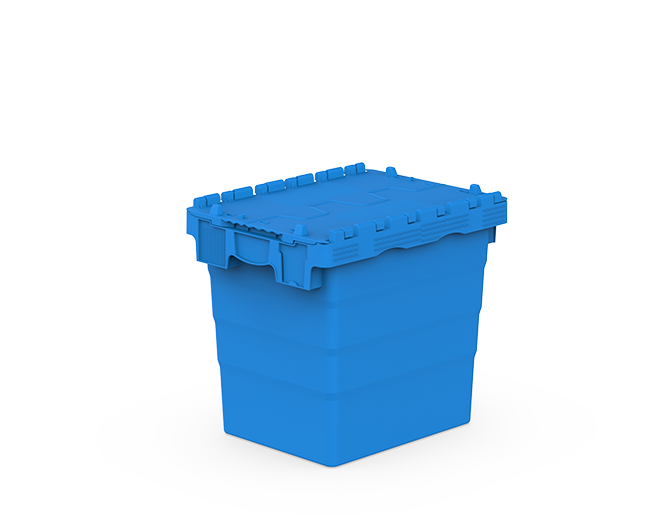
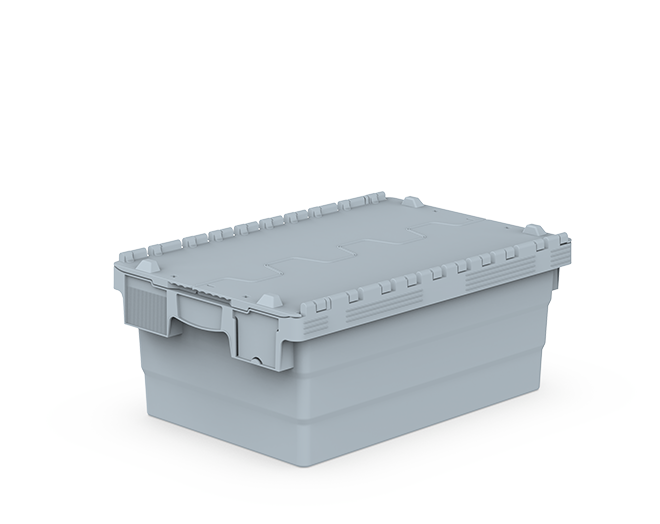
Nestable Crates
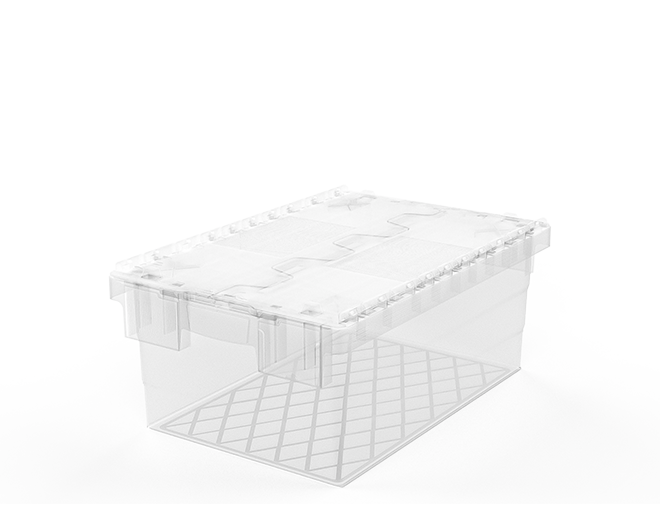
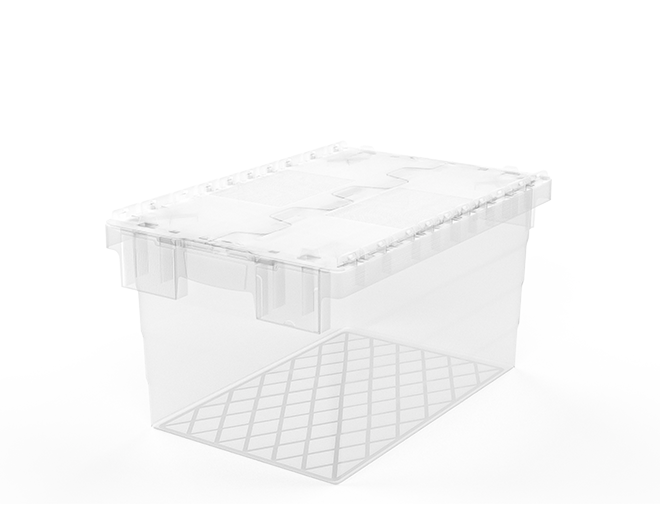
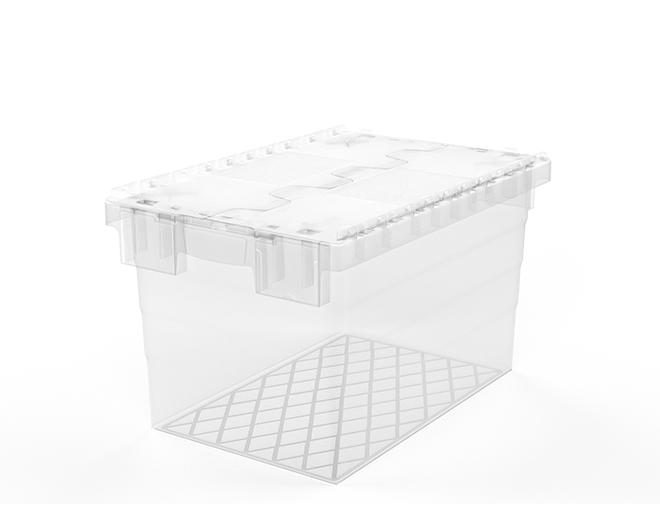
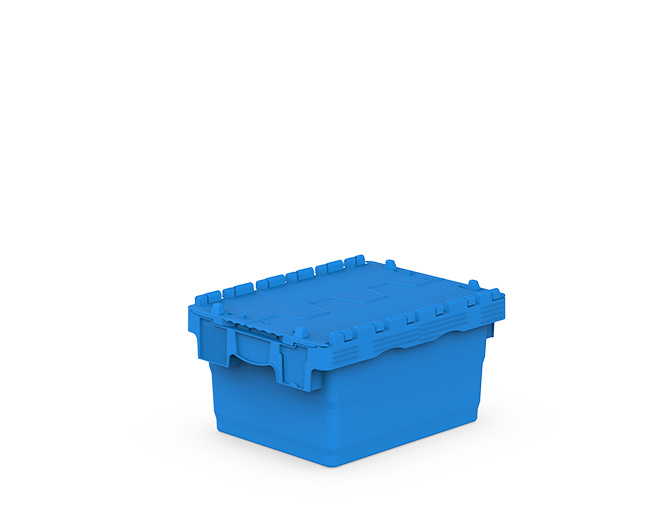
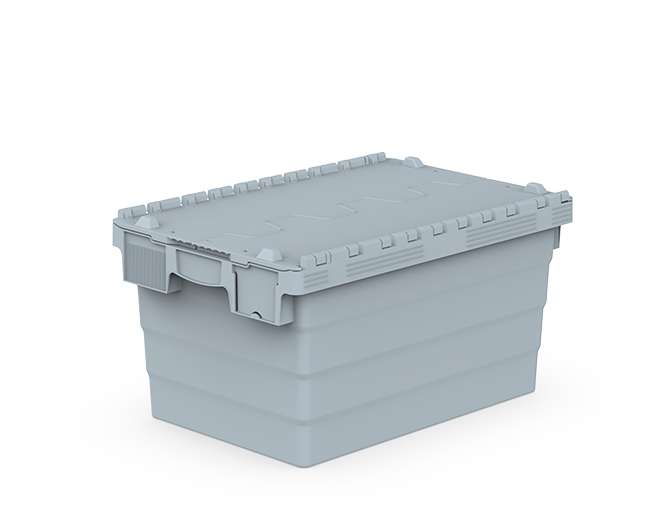
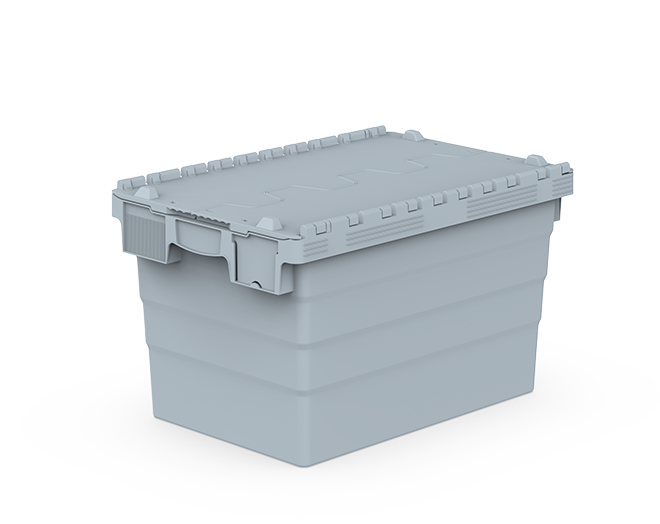
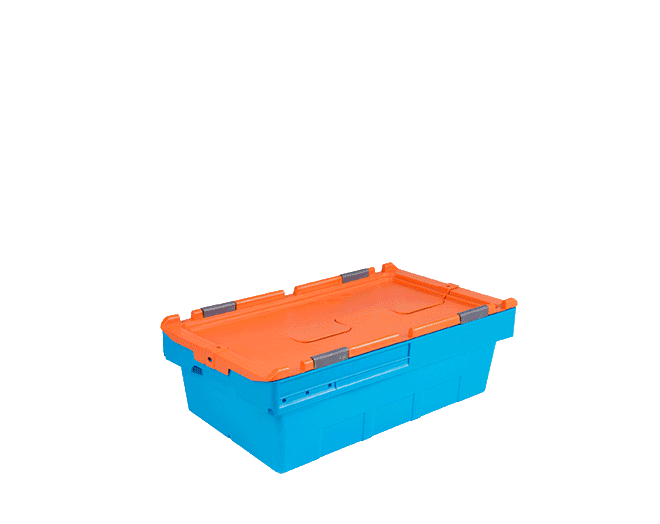
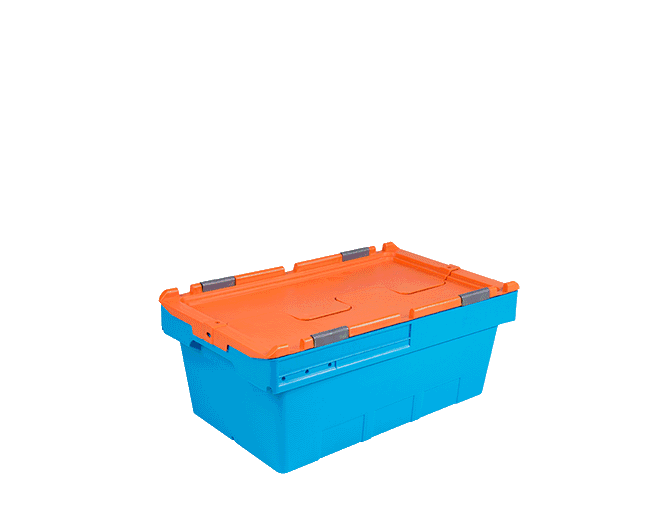
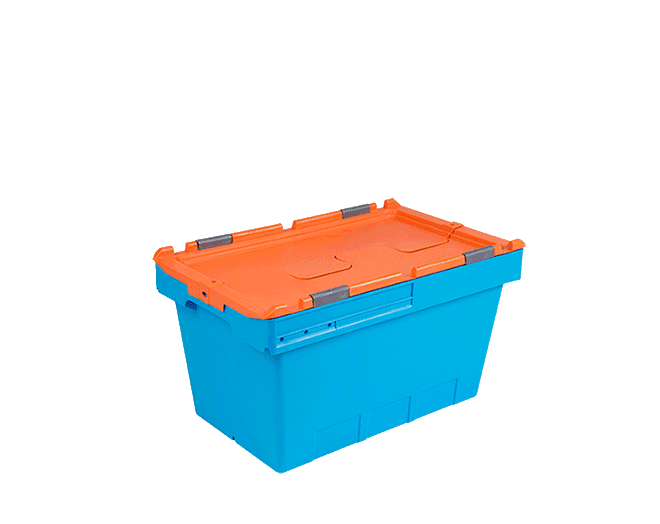
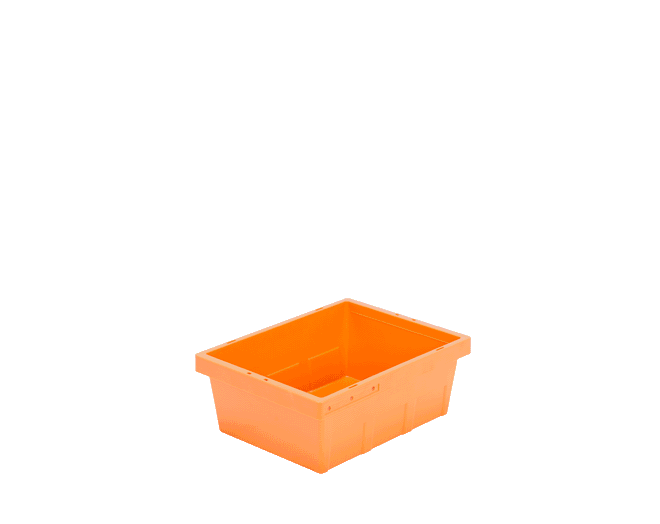
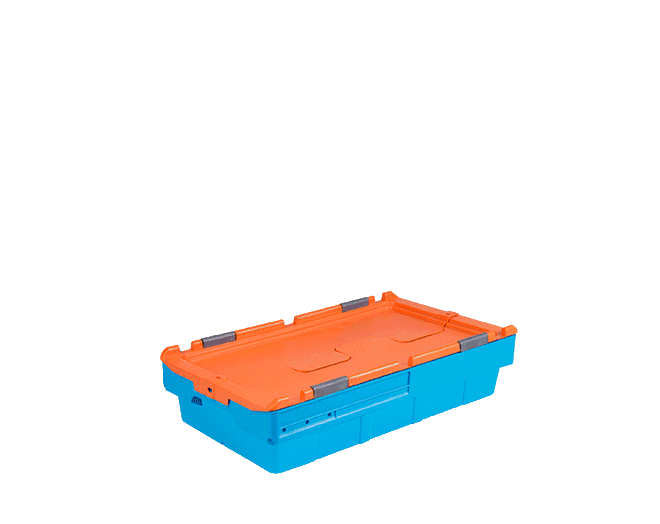
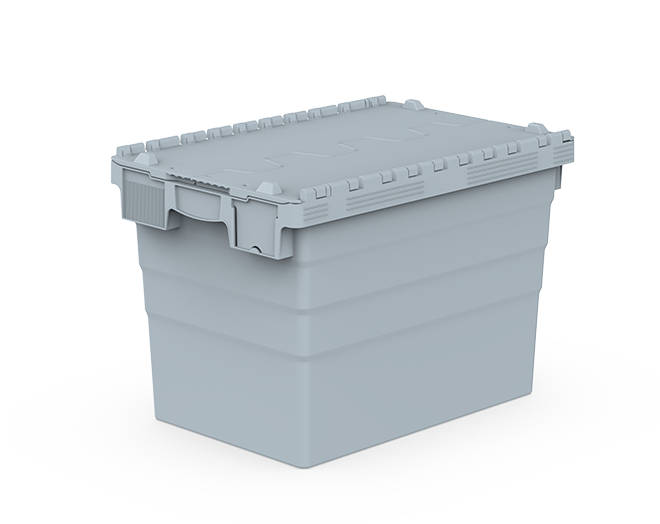
Nestable crates are plastic handling crates that keep products organised during storage and transport while saving space when empty. Attached-lid nestable crates can be stacked with their lids closed and nested inside one another with their lids open. This helps make efficient use of warehouse space and reduces the volume occupied by empty crates during return transport.
Hipaş nestable crates can be used for order picking, store distribution, internal material handling and warehouse operations. The two interlocking lid sections remain attached to the crate, covering the contents and reducing the need to store and match separate lids.
Nestable Crate Dimensions
Attached-lid nestable crates are available in 300 × 400 mm and 400 × 600 mm size groups. The 300 × 400 mm range offers external heights of 210, 250, 320 and 365 mm, while the 400 × 600 mm range offers external heights of 250, 320, 360 and 415 mm.
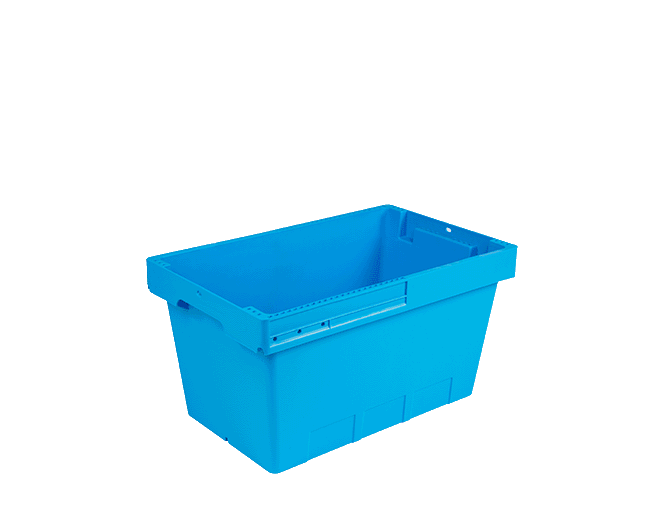
These dimensions accommodate various requirements, from organising small parts in separate crates to transporting bulkier products. As the tapered body narrows towards the base, crate selection should take account of internal dimensions and usable base area, as well as external dimensions.
Stacking and Nesting
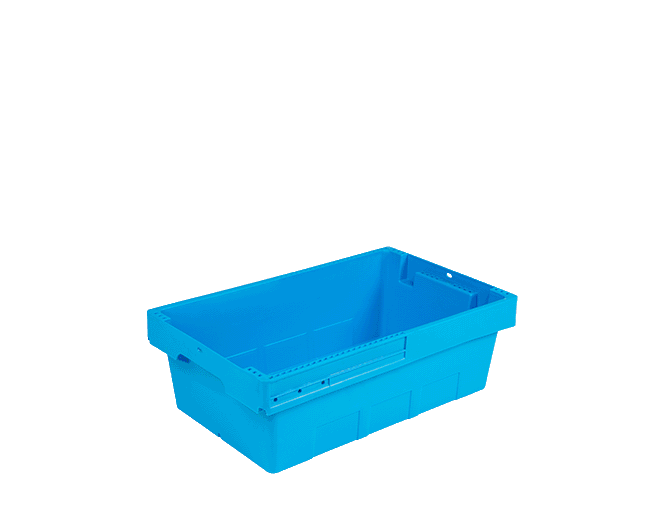
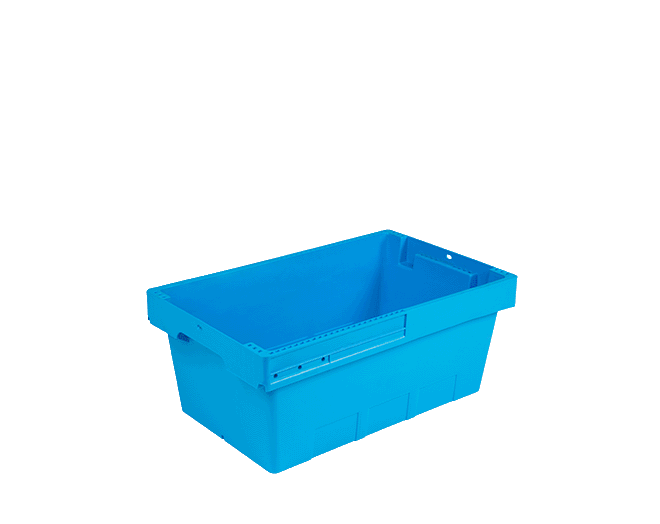
With their lids closed, nestable crates can be stacked with compatible crates to keep storage and dispatch areas organised. When empty, the lids can be opened so that the crates nest inside one another, reducing the storage volume required between uses.
The nesting increment is 73 mm for the 300 × 400 mm range and 85 mm for the 400 × 600 mm range. These figures indicate the additional height created by each extra crate when identical crates are nested together. The overall height depends on the height of the first crate and the number of additional crates. Height and load limits for stacking with closed lids should be assessed using the selected product’s technical specifications.
Compatibility with Warehouse, Conveyor and Handling Systems
Conveyor-compatible attached-lid nestable crates can be used for internal product movement and order-picking lines. Their ribbed base and protective hand grips support operations that combine conveyor transport with manual handling.
The 300 × 400 mm and 400 × 600 mm size groups help simplify shelving and pallet layout planning. Compatibility with a conveyor or automation system should be assessed by considering the crate’s external dimensions, base design and loaded weight alongside the equipment’s operating requirements.
Applications of Nestable Crates
In logistics and distribution centres, nestable crates can be used to sort products by destination, transfer goods between warehouses and collect empty crates. In retail and e-commerce operations, they help organise store deliveries, order picking, transfers to packing stations and returned goods.
In automotive manufacturing, supplier operations and production facilities, they can be used to transport suitably sized and weighted parts, fasteners and assembly components. In textile and garment businesses, they help separate accessories, production materials and folded products by order or product group. For electrostatically sensitive electronic components, ESD nestable crates can be selected according to the products’ protection requirements.
Lid, Labelling and Accessory Options
Crates with a Kanban label holder make it easier to identify contents by stock code, product group or dispatch information. Security seal slots and plastic cable tie channels support lid fastening and dispatch checks.
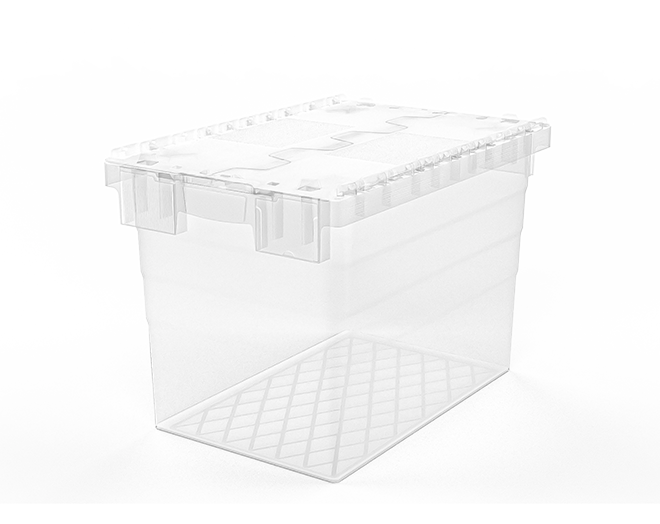
PP sheet dividers can be used when different products need to be separated inside the crate. Transparent nestable crates are an option when contents need to be visible from the outside, while ESD versions with suitable electrical properties can be considered for electronic components. Crates and accessories should be selected according to the products being handled and the operation’s working requirements.
Explore nestable plastic crates suited to your needs and contact Hipaş for dimensions, stacking specifications, accessory compatibility and a quotation.