
11 products were found
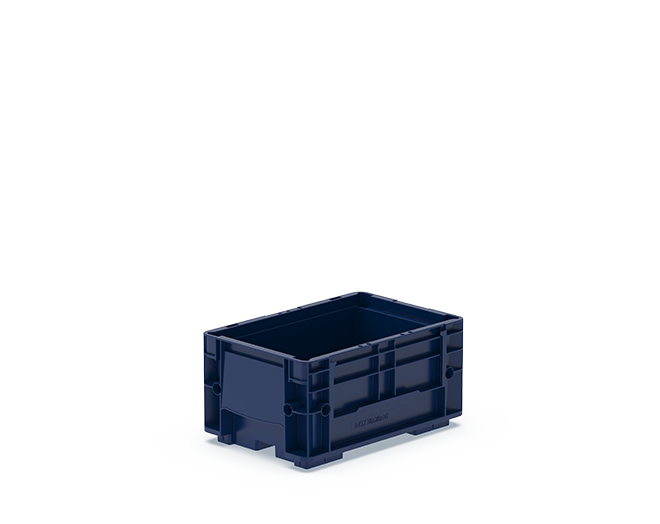
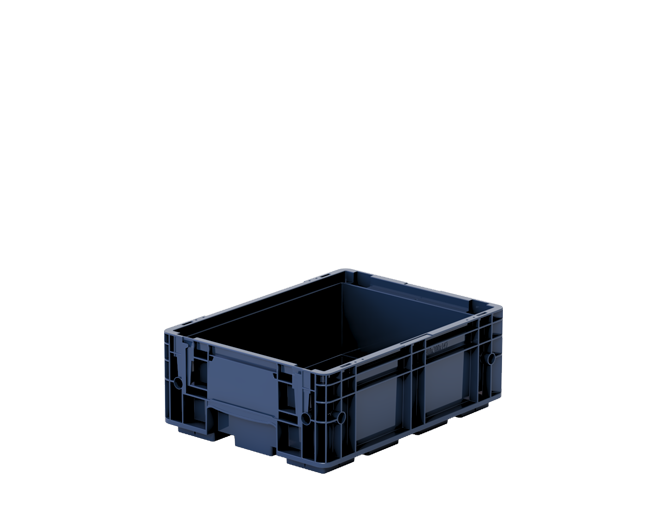
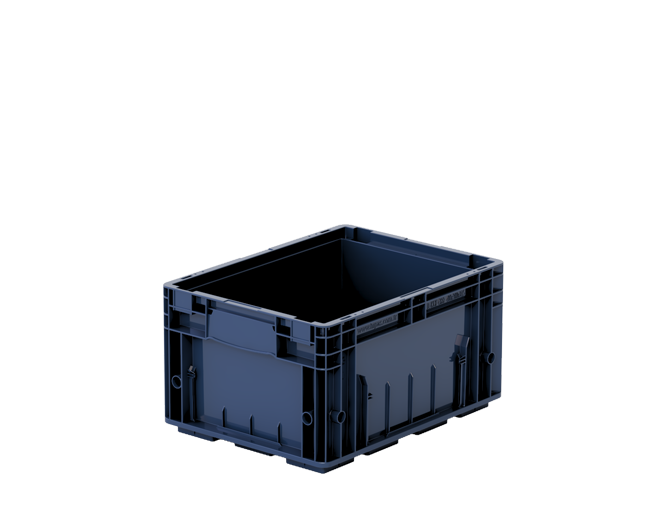
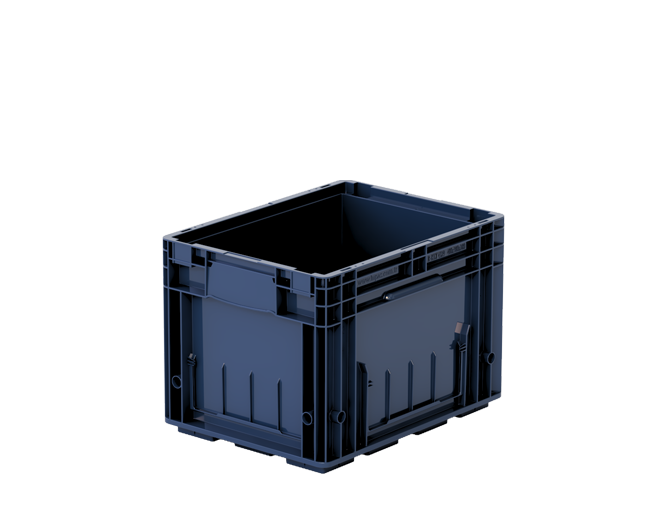
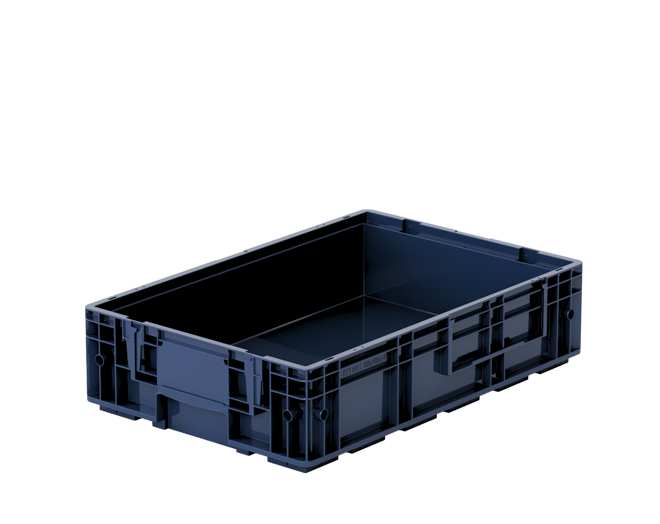
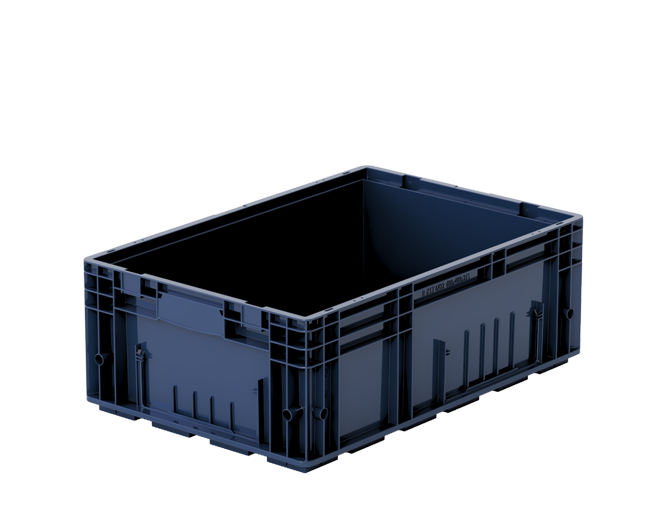
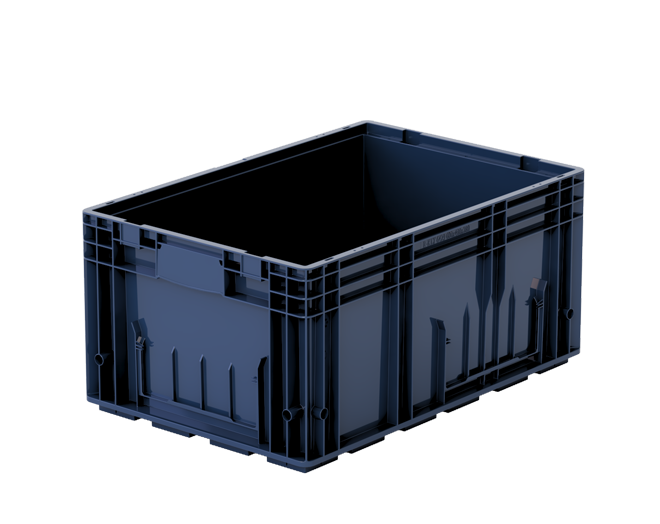
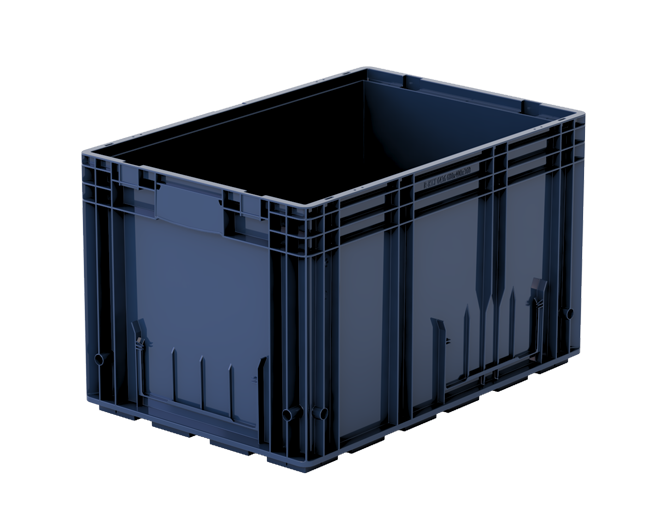

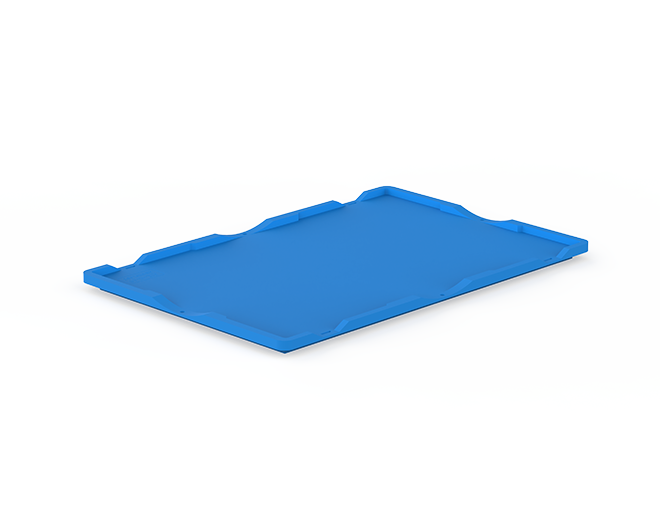
R-KLT Plastic Crates
R-KLT plastic crates are small load carriers used for industrial storage, transport and production line feeding, particularly in automotive manufacturing and supplier operations. Their reinforced structure and stacking design support organised handling throughout warehouse, production and dispatch processes.
The R-KLT series is characterised by its interlocking base design, which supports stable stacking of compatible crates. Base details should be checked against the selected model’s technical specifications.
What Does R-KLT Mean?
KLT is an abbreviation of the German word “Kleinladungsträger”, meaning “small load carrier” in English. R-KLT refers to the “Redesign” small load carrier series.
The KLT system defined under VDA 4500 was developed to support organised material flow between automotive manufacturers and suppliers. The R-KLT series features a reinforced, interlocking base design, distinguishing it from the flat-base RL-KLT series. VDA compliance and technical capacity should be assessed using the documentation for the selected model.
Features of R-KLT Crates
-
Reinforced outer structure
-
Interlocking base design, depending on the model
-
PPC — polypropylene copolymer body
-
Stackable design
-
Hand grips for easier manual handling
-
Smooth internal surfaces for easier cleaning
-
Reusable construction
-
Suitability for automated handling processes with compatible equipment
-
Labelling areas and lid compatibility, depending on the model
-
ESD options for electrostatically sensitive products
Applications
R-KLT crates can be used to organise, store and transport automotive parts, fasteners, machined parts and assembly components. Crate selection should take account of the contents’ dimensions and total weight, as well as the required handling and stacking conditions.
In automotive manufacturing and supplier operations, they support the transport of parts from suppliers to production facilities and their delivery to assembly areas. In manufacturing facilities, they help organise components according to process sequence and move parts between workstations.
In spare parts warehouses, R-KLT crates allow products to be separated by type, size or stock code. In metalworking and machinery manufacturing, they can be used to transfer suitably sized components between production stages.
In logistics and distribution centres, they support order preparation, product grouping and transfers between facilities. For storing and transporting electrostatically sensitive electronic components, ESD R-KLT crates with the required electrical protection properties should be selected.
Use in Automation Systems
R-KLT crates can be incorporated into material flows within automation systems with compatible dimensions and equipment. Depending on the selected model’s design, they can be considered for:
-
Crate transport on conveyor lines
-
Automated storage and retrieval systems
-
Lifting and positioning with mechanical grippers
-
Automated filling and removal of parts
-
Component supply to production and assembly lines
-
Automated palletising and depalletising
-
Empty crate handling on collection and return lines
The compatibility of lifting slots, gripping surfaces and channels with handling equipment should be checked for each model. System suitability should be assessed by considering the crate’s external dimensions, base design and loaded weight alongside the equipment’s operating method.
Stacking and Pallet Layout
Stackable R-KLT crates help keep storage and dispatch areas organised. On compatible models, the interlocking base and stacking surfaces help maintain crate alignment within the stack.
Their modular dimensions allow layouts to be planned on 800 × 1200 mm and 1000 × 1200 mm pallets. When combining crates of different sizes, check the compatibility of their footprints and stacking surfaces, as well as load distribution.
Permissible stacking loads and carrying capacities should be determined using the relevant product’s technical specifications.
Cleaning, Reuse and Accessories
Smooth internal surfaces make the crates easier to clean. Cleaning methods and chemicals should be selected to suit the crate’s material properties.
Their reusable construction supports multiple transport cycles between manufacturers, warehouses and suppliers. At the end of their service life, crates can be directed to recycling processes appropriate to their material type and contamination level.
Label and barcode areas help identify crate contents and support stock tracking. Compatibility with lids, internal dividers and other accessories should be assessed according to the selected model and the requirements of the parts being handled.
Explore R-KLT plastic crates suited to your needs and contact Hipaş for dimensions, load capacities, automation compatibility and a quotation.