
267 products were found




Plastic Crates
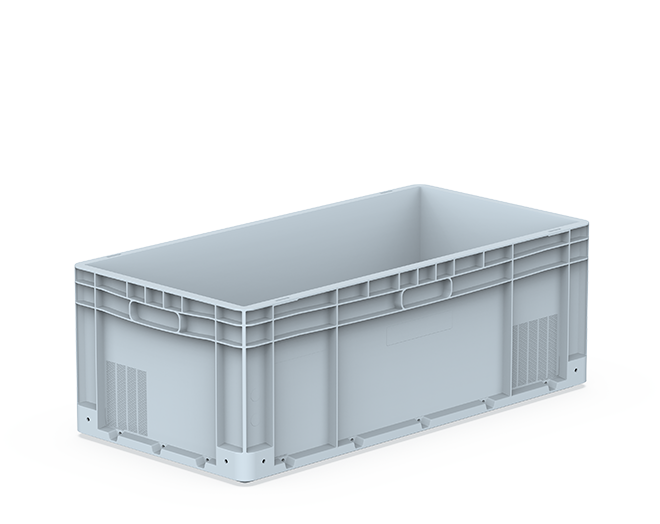
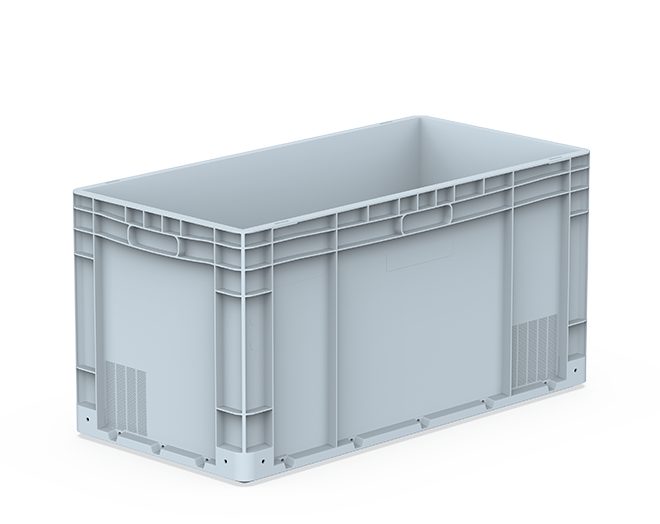
Plastic crates are handling products available in different sizes and body designs for storing, organising and transporting goods. They are used in processes ranging from small parts sorting and production line feeding to order preparation and dispatch.
The Hipaş plastic crate range includes solid, perforated, open-front, lidded, foldable, nestable and KLT crates. Selecting a suitable crate according to product dimensions, weight and access requirements helps keep warehouses and work areas organised.
Types of Plastic Crates
Solid plastic crates have closed sides and bases to keep parts and materials together. Perforated plastic crates can be considered for storage and transport applications that require air circulation.
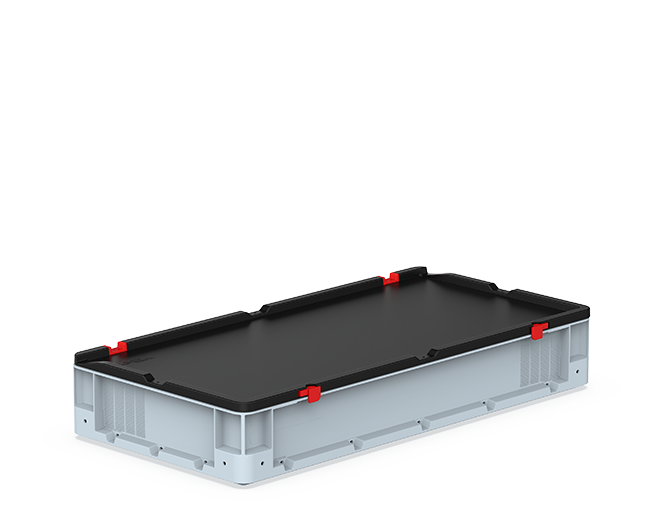
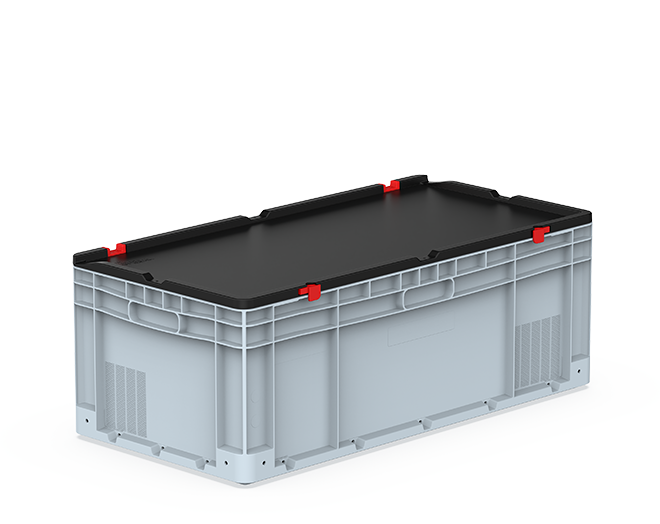
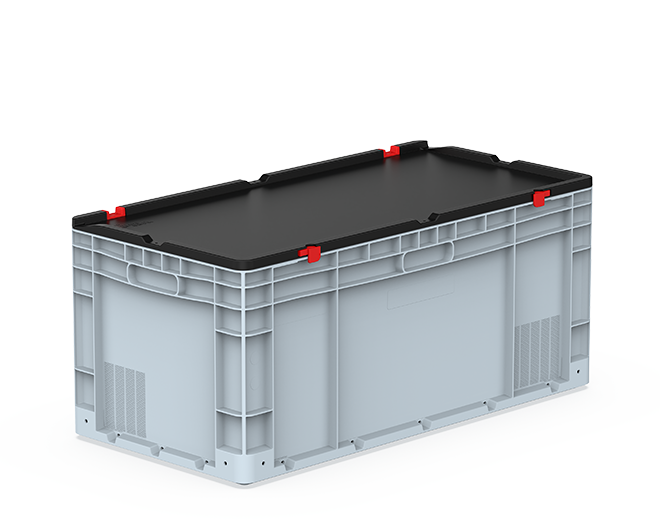
Open-front crates provide access to contents from the front on shelves and at workstations. They can be used for organising frequently accessed parts, preparing assembly materials and picking orders. Lidded crates provide an option for applications where the contents need to be covered.
Foldable plastic crates fold down when empty, reducing the volume required for storage and return transport. Nestable crates save space through a tapered body design that allows empty crates to fit inside one another. Attached-lid nestable crates can be stacked with their lids closed.
R-KLT and RL-KLT crates are used particularly in automotive manufacturing and supplier operations for parts storage, transport and production line feeding. For electrostatically sensitive electronic components, ESD plastic crates with suitable electrical properties should be selected.
Plastic Crate Dimensions
The Hipaş range includes 200 × 300, 300 × 400, 400 × 600, 400 × 800, 480 × 690, 400 × 1200 and 600 × 800 mm size groups, alongside other crate dimensions. Heights and internal dimensions vary by product.
External dimensions should be assessed for compatibility with shelving, pallets and handling areas, while internal dimensions determine how products fit inside. For foldable crates, folded height is important when calculating empty storage space. For nestable crates, the relevant measurement is the nesting increment.
Applications of Plastic Crates
-
Manufacturing and industry: Sorting parts, supplying assembly stations and transferring materials between production stages.
-
Automotive manufacturing and suppliers: Organising spare parts, fasteners and assembly components.
-
Warehousing and logistics: Separating stock, preparing orders and grouping products before dispatch.
-
Retail and e-commerce: Store distribution, product picking and returns handling.
-
Textiles and garments: Storing accessories, production materials and finished products.
-
Electronics: Transporting and storing sensitive components in suitable ESD crates.
-
Food: Storage and transport using crates verified as suitable for the product and intended food-contact conditions.
Stacking, Lids and Accessories
Stackable plastic crates help organise storage areas when used with compatible products. Load capacity, permissible stacking load and load distribution should be considered when stacking crates.
Depending on the product, available accessories may include lids, hinge and lock sets, label holders, dividers and dollies. For conveyor handling or automation applications, crate dimensions, base design and loaded weight should be assessed alongside the equipment. Accessory and system compatibility should be checked using the relevant product specifications.
Plastic Crate Prices
Plastic crate prices vary according to dimensions, material, body and base design, lids, accessories and order quantity. Selecting the right crate involves considering the working environment, the materials being handled and daily handling requirements.
Explore the Hipaş plastic crate range and contact us for dimensions, technical specifications and a quotation.